Step 1: First tiny taste
Offer a small taste of well-cooked mashed or pureed black-eyed pea. Watch for concerning symptoms during and after the feed.
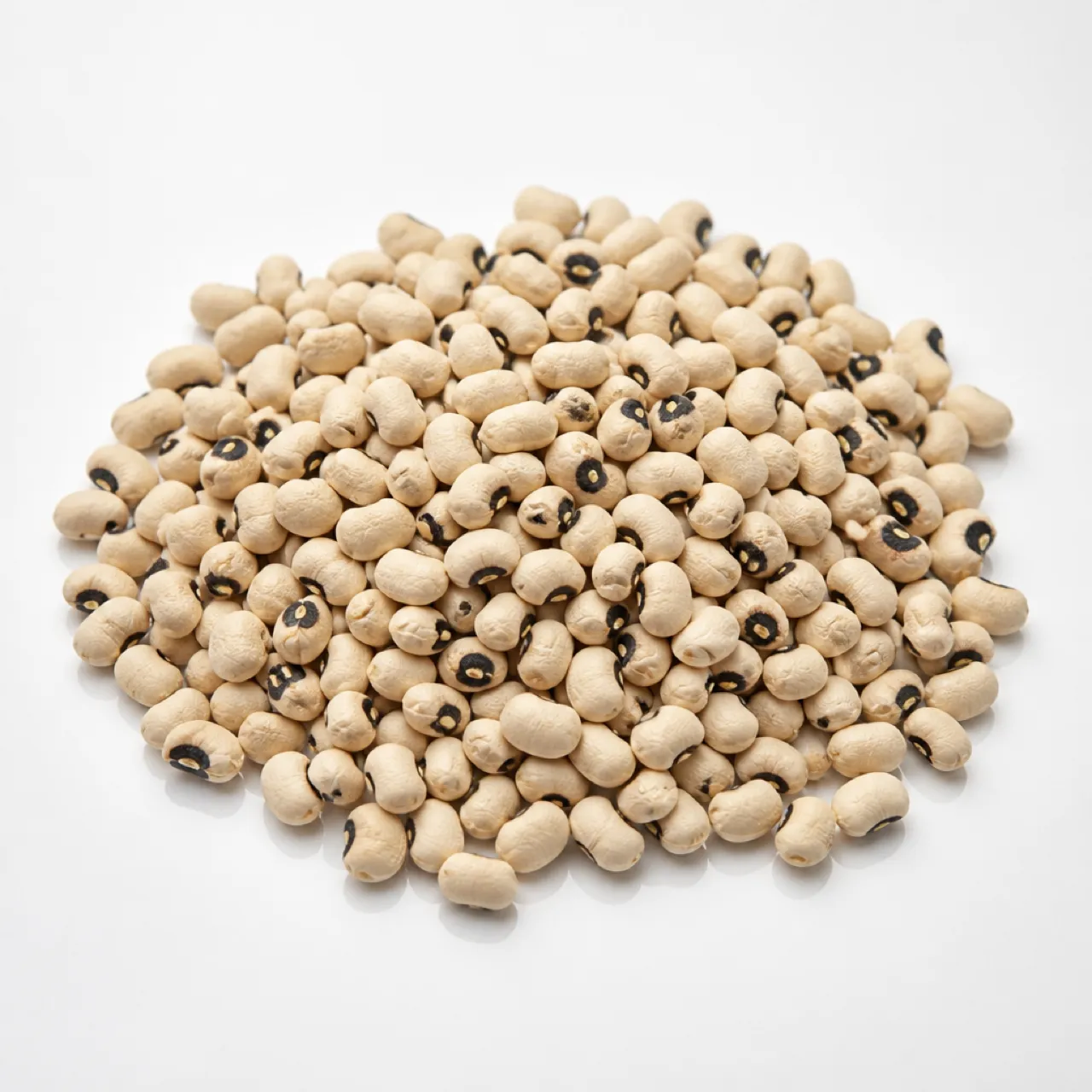
Black-eyed pea is a complementary legume appropriate from about 6 months. Offer it as a single new food first.
Cook black-eyed peas until they are soft enough to mash easily with a fork, then mash or puree for first offers. Do not offer dry hard beans. Supervise every meal.
Offer a small taste of well-cooked mashed or pureed black-eyed pea. Watch for concerning symptoms during and after the feed.
If tolerated, offer a larger amount of the same prepared black-eyed pea at a later feed.
Keep soft black-eyed pea in complementary meals as desired.
Complementary foods are typically introduced around 6 months of age, when the baby shows developmental readiness (for example, sitting with support, good head control, and swallowing food rather than pushing it out). Introducing solids before 4 months is not recommended.
For most children, there is no required order for first foods. Fruits, vegetables, meats and other proteins, and other food groups can all be part of complementary feeding around 6 months.
Cook black-eyed peas until they are soft enough to mash easily with a fork, then mash or puree for early complementary feeds. Do not offer dry hard beans. Always supervise eating.
Black-eyed peas provide non-heme (plant) iron, which is less easily absorbed than iron from meat. Pairing non-heme iron foods with vitamin C–rich foods, such as citrus fruit, berries, tomato, or broccoli, can help iron absorption. This is educational nutrition guidance, not a diagnosis or a supplement plan.